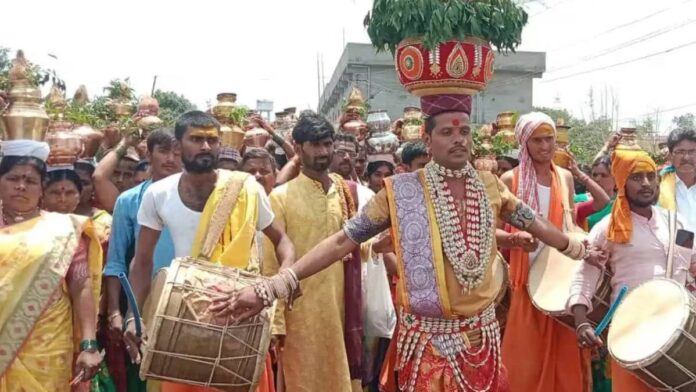
The Sammakka Saralamma Jatara, often described as the “Kumbh Mela of the tribal community,” has begun this year from January 28 to 31, 2026 at Medaram in Telangana’s Mulugu district. Recognized as Asia’s largest tribal festival, it has drawn millions of devotees, and this year’s edition is marked by a special international dimension with a delegation of Māori tribes from New Zealand performing their traditional Haka dance at the sacred grounds.
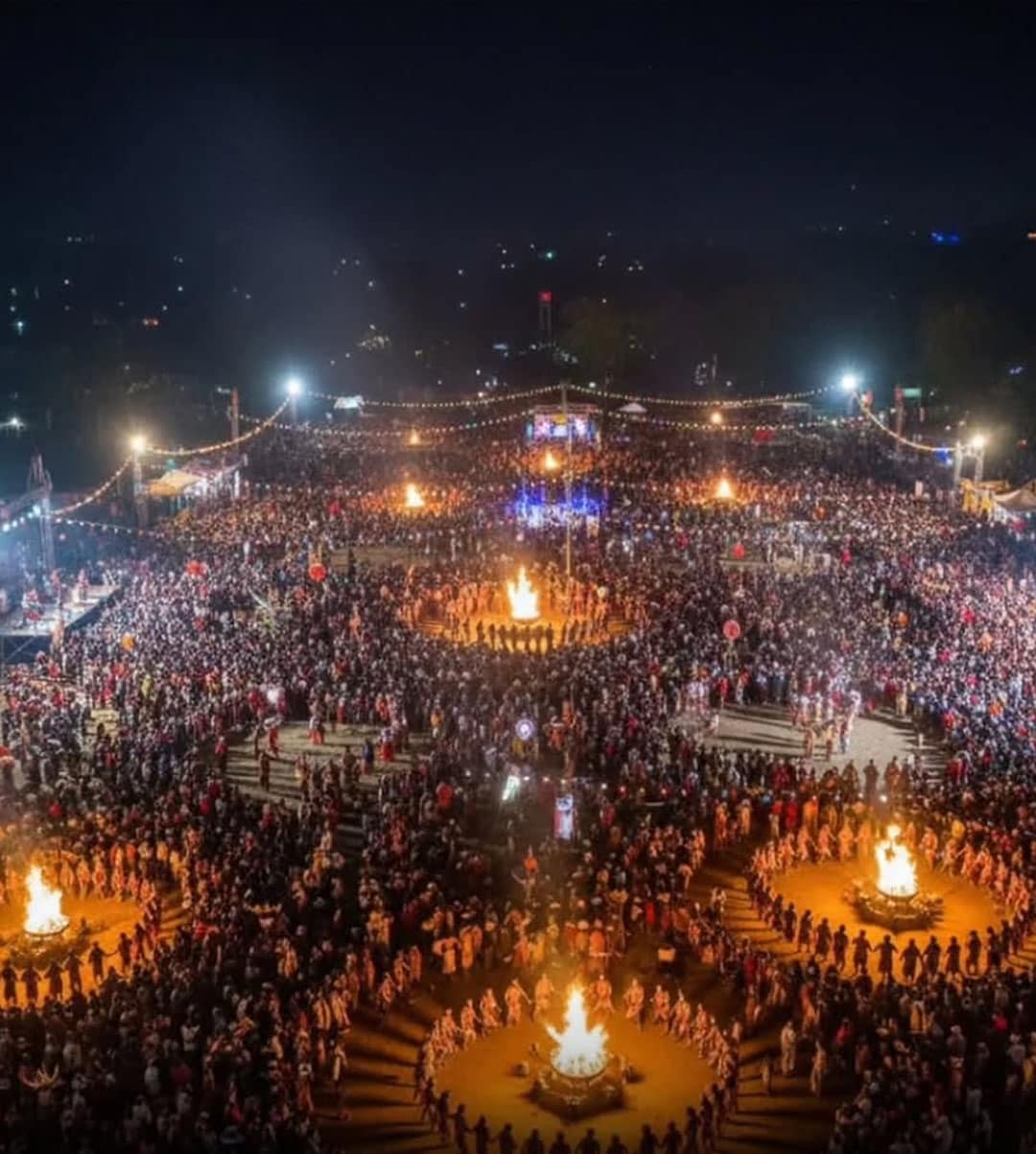
The Sammakka Saralamma Jatara, also known as the Medaram Jatara, is held biennially during the full moon of the Hindu month of Magha. It honours two tribal goddesses, Sammakka and her daughter Saralamma, revered by the Koya Adivasi community. The festival commemorates their legendary resistance against oppression centuries ago, symbolizing courage, self-respect, and tribal identity. Rituals are conducted entirely by Koya priests, preserving the authenticity of tribal customs. Devotees offer bellam (jaggery), locally called bangaram, as a symbolic tribute to the goddesses.
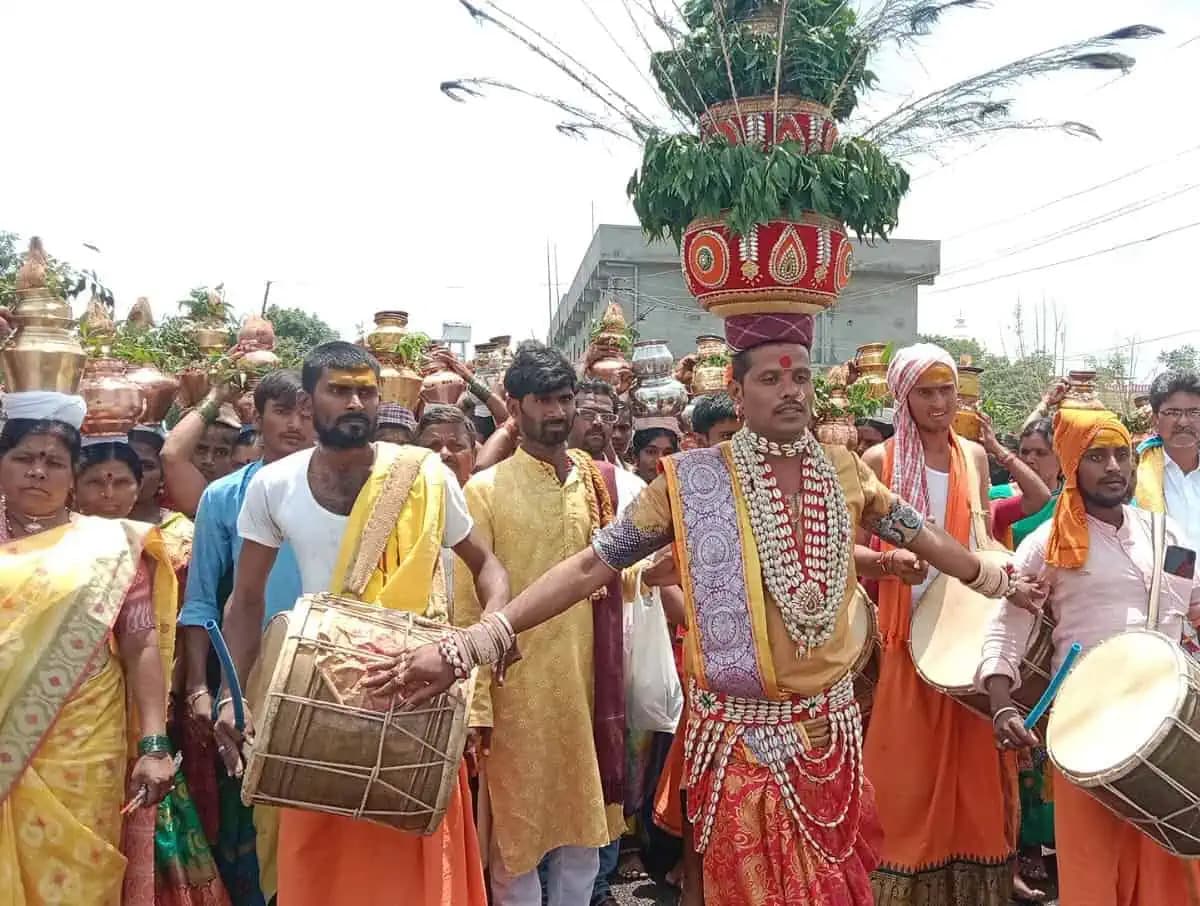
The Jatara has grown from a modest gathering of a few thousand people in the mid-20th century to a congregation of nearly two crore devotees in 2026, making it second only to the Kumbh Mela in terms of scale and spiritual appeal. Pilgrims arrive from across Telangana, Andhra Pradesh, Chhattisgarh, Maharashtra, Odisha, and beyond, transforming the forested Medaram area into a sea of humanity. The Telangana government has invested heavily in infrastructure, over ₹250 crore this year, to manage the crowds and provide facilities, underscoring the festival’s importance as a cultural and spiritual landmark.
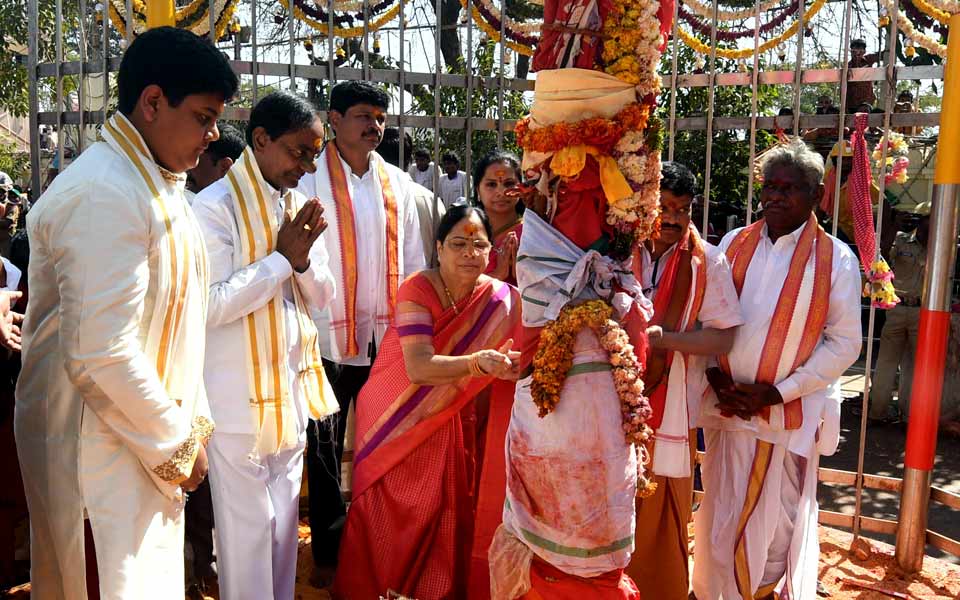
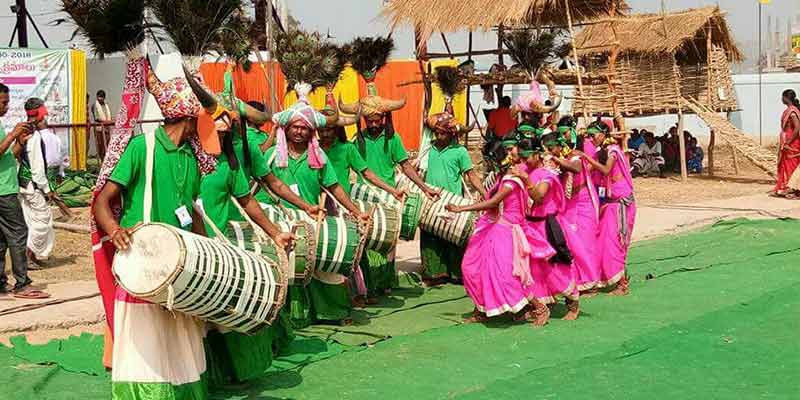
The festival unfolds over four days. On the first day, Saralamma’s idol is brought to the gaddelu (altar), followed by Sammakka’s arrival on the second day. Devotees throng the altars, offering jaggery equal to their body weight, coconuts, turmeric, and vermilion. The atmosphere is charged with tribal music, drum beats, and chants, creating a powerful sense of community and devotion. Unlike many mainstream Hindu festivals, the rituals here remain firmly rooted in tribal traditions, emphasizing simplicity and collective participation.
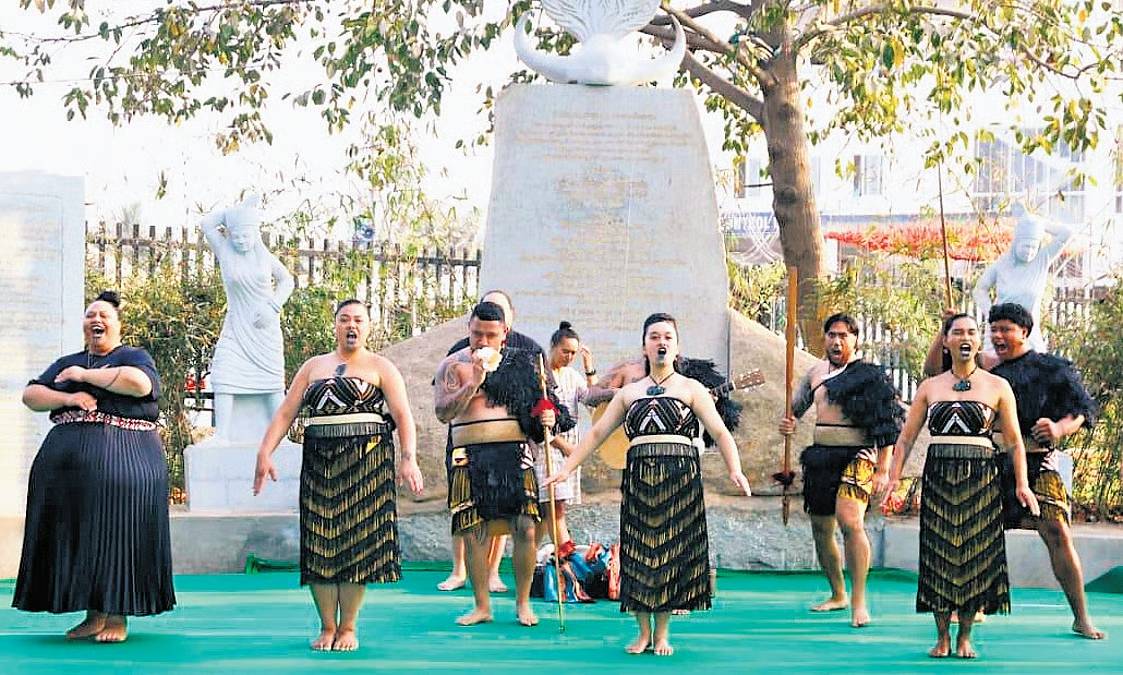
This year’s Jatara has gained international attention with the participation of Māori tribal representatives from New Zealand. Their performance of the Haka dance at Medaram added a unique cultural exchange element, symbolizing solidarity among indigenous communities worldwide. The delegation’s presence highlighted the universal themes of resistance, identity, and reverence for ancestral traditions that the Jatara embodies.
The Sammakka Saralamma Jatara has been repeatedly compared to the Kumbh Mela, not only for its sheer scale but also for its spiritual magnetism. Leaders and cultural advocates have called for it to be accorded National Festival status, recognizing its role as a symbol of tribal pride and heritage. As infrastructure improves and international participation grows, the Jatara is poised to gain even greater prominence on the global cultural map.